Simple GTA Shutters – Custom Roll Shutters and Privacy Screens Fire Shutters and Polydoors

ONTARIO FIRE SAFETY GUIDE

Ontario Fire Code 2026: What Property Owners Need to Know

Key changes to Ontario’s Fire Code, what they mean for apartment and commercial properties, and where fire-rated shutters fit into your building’s fire protection strategy.

Fire Shutter Solutions for Your Building

Custom fire-rated rolling shutters for windows, counters and approved openings in Toronto and the GTA.
Call us: (647) 598-2550

What Changed in the Ontario Fire Code in 2026?

Effective January 1, 2026, amendments to the Ontario Fire Code brought changes affecting the operation and maintenance of certain life safety systems, including egress doors, carbon monoxide alarms, fire alarm testing and access to fire protection systems. Ontario Regulation 87/25 and additional amendments under Regulation 303/25 are important starting points for building operators.
The applicable requirements vary with the building’s occupancy, equipment and existing conditions. Owners should review the consolidated Ontario Fire Code and work with qualified professionals where necessary.
01

Exit Door Safety

Additional provisions for door release and routine checks.
02

Fire Alarm Testing

Updated references to Canadian inspection and verification standards.
03

CO Alarm Requirements

Expanded protection for certain existing residential buildings.

IMPORTANT: Not every building needs fire-rated shutters.

The 2026 amendments do not create a general requirement for all Ontario apartment buildings or businesses to install fire shutters. The need for a rated opening depends on the approved design and applicable Building Code provisions.

Exit Doors and Emergency Egress

Exit doors and doors along a means of egress must function properly so occupants can leave safely during an emergency. The amendments address exit door locking and release mechanisms, and the Fire Code includes routine checking obligations for applicable door systems.
Property managers should pay close attention to obstructed exit routes, damaged hardware, malfunctioning magnetic locks and door-opening procedures. Specific exemptions and special locking arrangements must be evaluated under the applicable rules.

Fire Alarm Inspection and Carbon Monoxide Safety

The updated Fire Code references CAN/ULC-S536-2019 for inspection and testing of fire alarm systems and CAN/ULC-S537-2019 for verification where applicable. Operators should confirm that qualified service providers use the required procedures and maintain complete records.
Carbon monoxide alarm requirements have also expanded in some existing residential buildings. Required locations depend on fuel-burning appliances, heating arrangements, garages, service rooms and the configuration of affected suites and corridors. An individual assessment is more reliable than applying a universal alarm layout.

Monitoring, Staff Access and Records

Where required, fire alarm monitoring should comply with applicable standards. The Code also addresses access to keys or special devices needed to operate fire alarm systems or enter areas with fire protection equipment. Integrated fire protection and life safety system testing may apply to certain buildings.
Review fire safety plans, inspection reports, deficiencies and staff procedures. Municipalities may have administrative monetary penalty programs for specified Fire Code violations; owners should keep compliance documentation organized and up to date.

Do You Need Fire-Rated Shutters?

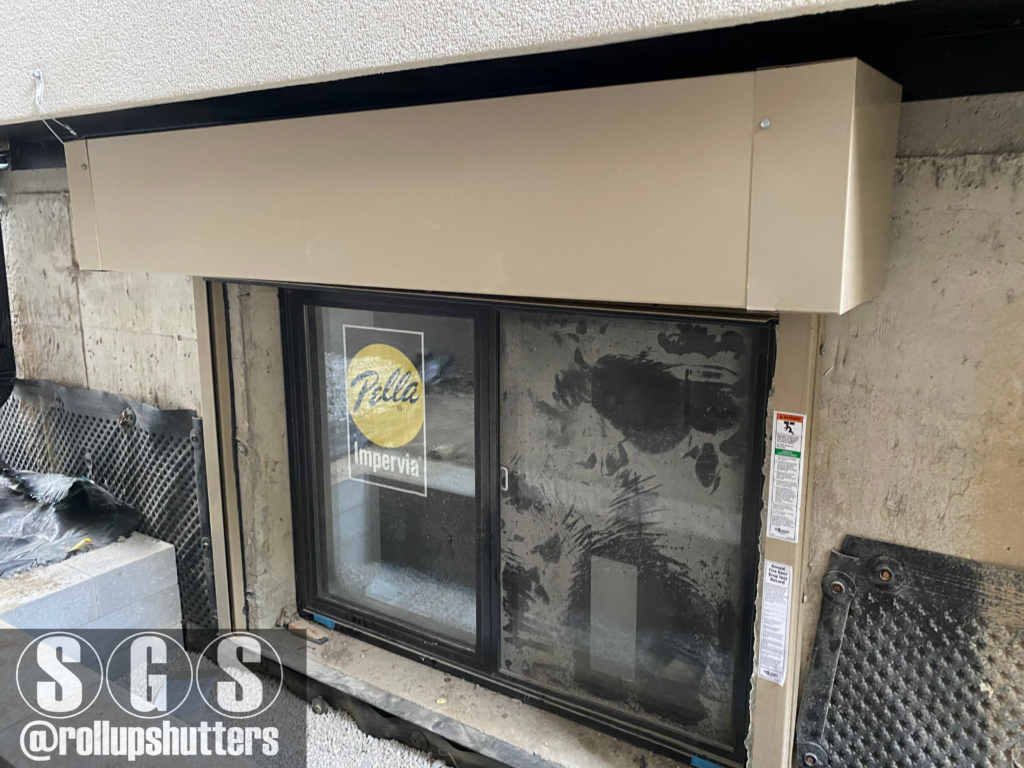
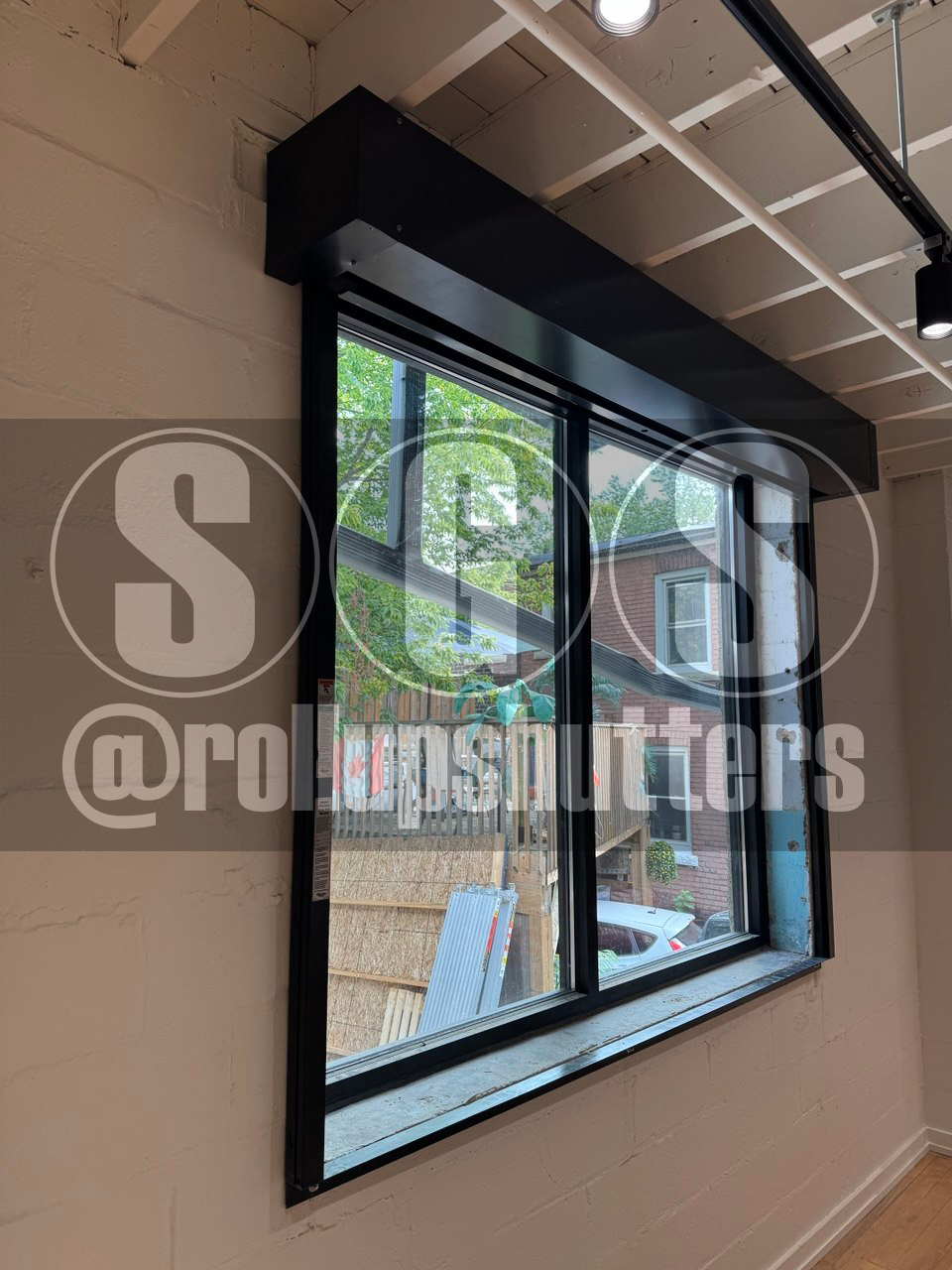
A fire-rated rolling shutter protects certain specified openings as part of an approved fire separation or other fire protection design. Common project applications can include basement windows, commercial counters and specially designed openings.
For windows near property boundaries, the result depends on spatial separation rules, permitted unprotected openings, construction details and the authority having jurisdiction. A fire shutter is not automatically an acceptable solution in every case.

Fire Shutter Inspection and Maintenance

Fire-rated shutters and doors must be maintained in a condition that allows them to perform as designed. Section 2.2.3 of the Ontario Fire Code addresses the condition and maintenance of fire-protection-rated closures. Relevant checks can include release mechanisms, fusible links where fitted, guides, curtains, hardware, identification labels and potential obstructions.
The appropriate testing procedure and frequency depend on the assembly’s listing, manufacturer instructions and applicable Code requirements. Inspection of a rolling fire shutter is not interchangeable with fire alarm system testing. Have qualified professionals determine the correct service scope.

Ontario Building Code vs. Ontario Fire Code

The Ontario Building Code primarily governs building design and construction requirements, including fire separations and protected openings. The Ontario Fire Code addresses the ongoing operation, inspection and maintenance of buildings and fire protection features. Both may be relevant to a shutter project.
If you are planning a renovation or new opening, consult your designer, engineer, contractor or local building authority before selecting a rated closure.

Need Fire-Rated Shutters in Toronto or the GTA?

Custom rolling fire shutters for residential and commercial projects. Tell us about your opening and request a quotation.

Fire Safety Checklist for Property Owners

Use this practical checklist to guide a building-specific review of the 2026 changes.
  • ☐  Confirm applicable exit and egress doors operate correctly.
  • ☐  Verify fire alarm inspections and testing records.
  • ☐  Review carbon monoxide alarm locations and requirements.
  • ☐  Keep required keys or access devices available to staff.
  • ☐  Review fire safety plans and staff emergency procedures.
  • ☐  Confirm monitoring and integrated system documentation.
  • ☐  Check installed fire-rated closures and opening protection.
  • ☐  Correct identified deficiencies and keep organized records.

Frequently Asked Questions

The amendments discussed here took effect on January 1, 2026. Check the current consolidated Ontario Fire Code for subsequent changes.

Not universally. Whether work is necessary depends on the building, existing conditions, approved designs and the specific applicable requirements. Unsafe or defective closures should be evaluated and corrected.

Not under a single universal distance rule. Requirements depend on the Ontario Building Code, permitted openings, spatial separation, the approved plans and the local authority.

Follow the applicable Fire Code provisions, the rated assembly listing and manufacturer instructions. Ask a qualified professional about the correct inspection and testing schedule for the exact product.

Yes. Send the opening dimensions, installation address and available plans or product specifications to discuss a fire-rated shutter quotation for Toronto and the GTA.

Official References and Further Reading

Disclaimer: This article provides general information, not legal, engineering or fire code compliance advice. Every project should be reviewed against the current regulations and applicable approvals.

Plan Your Fire Shutter Project with Simple GTA Shutters

Residential and commercial fire-rated rolling shutters in Toronto, Richmond Hill, Vaughan, Mississauga, Scarborough and surrounding GTA communities.
Or call (647) 598-2550

Contact Us